Ep. 2 The People's House: The Legislative War of 1893

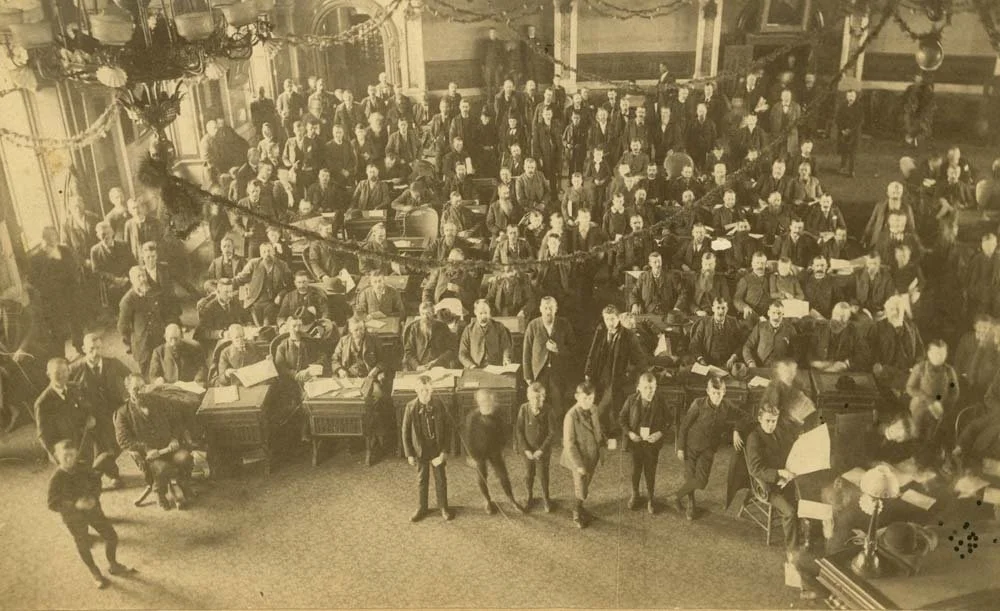
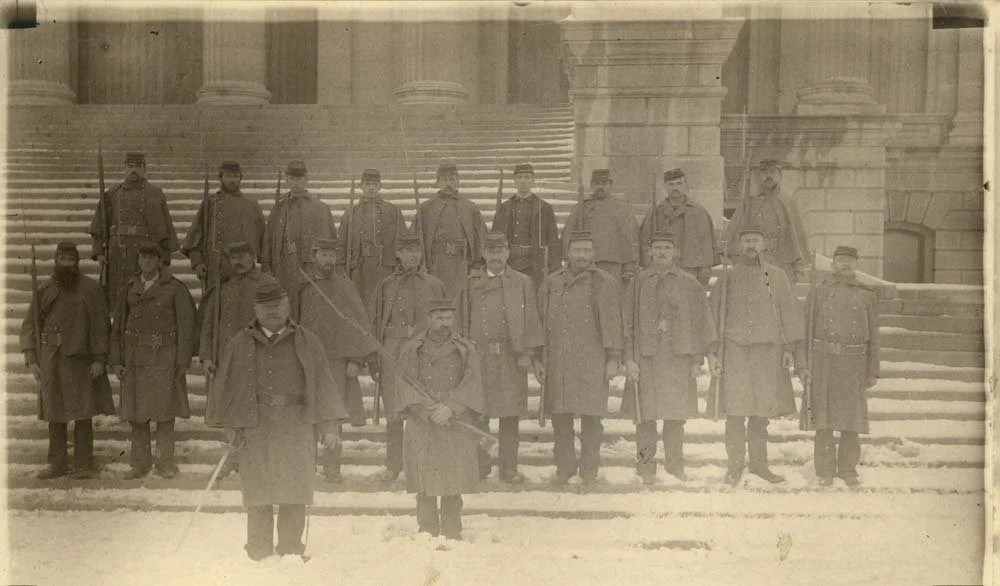
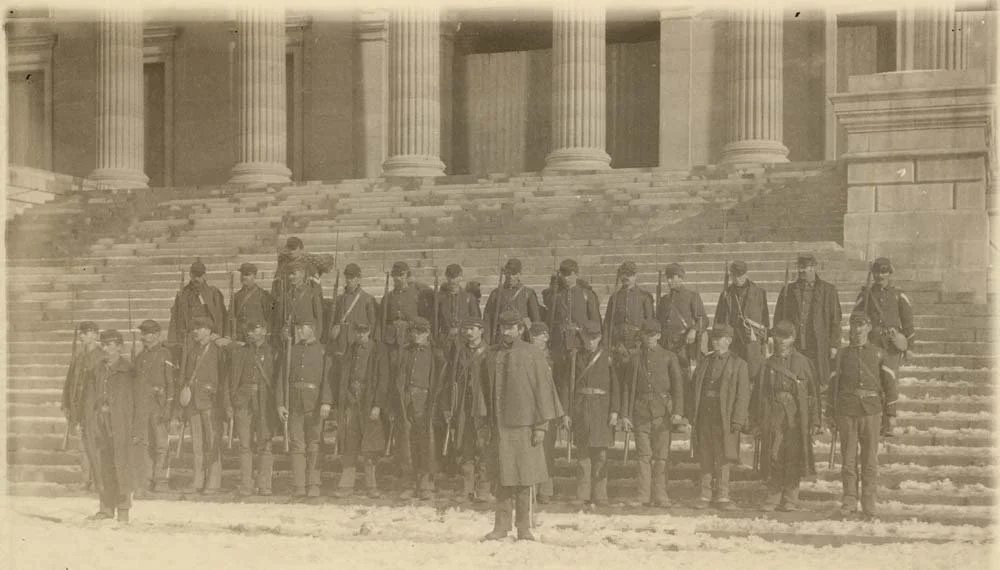
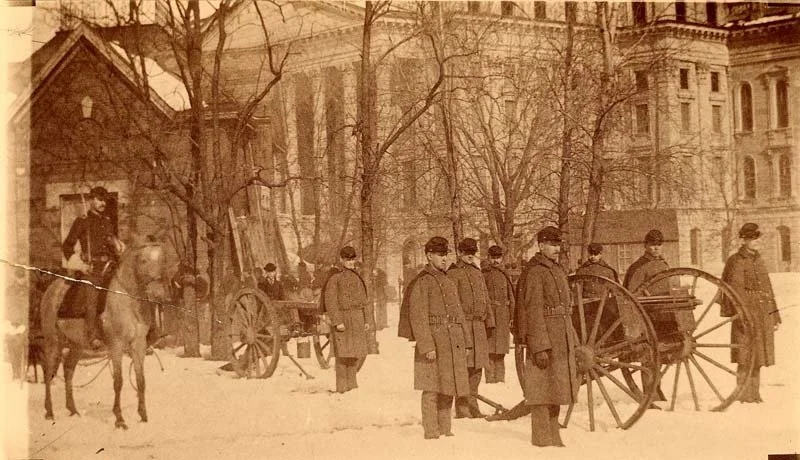
Group of Republican assistant sergeant at arms at the statehouse during the Populist War, Topeka, Kansas, Feb. 15, 1893. Source: Kansas Memory
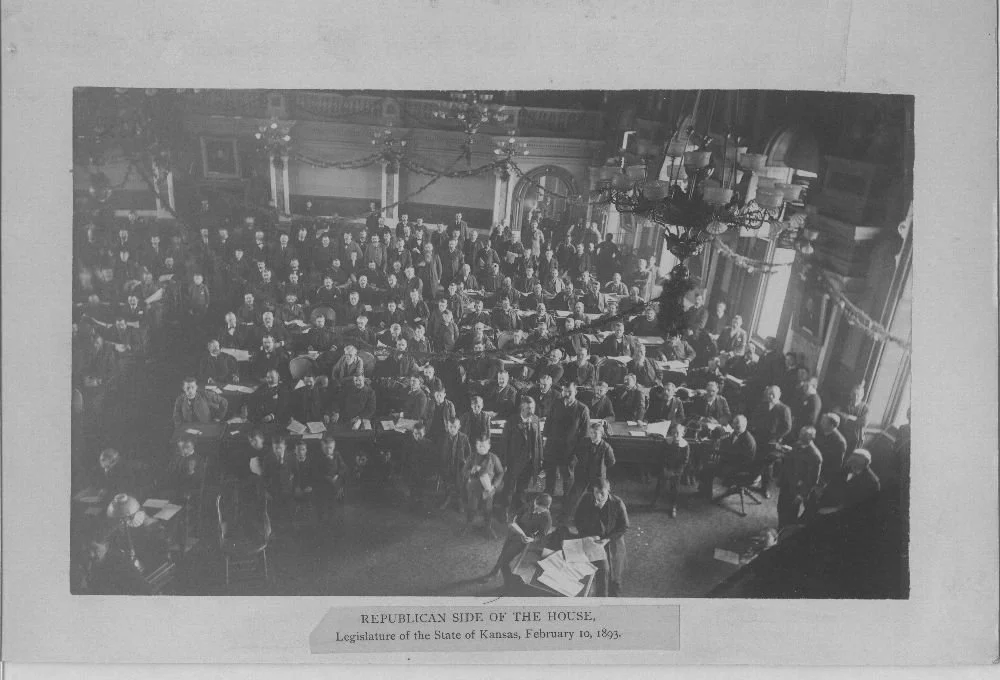
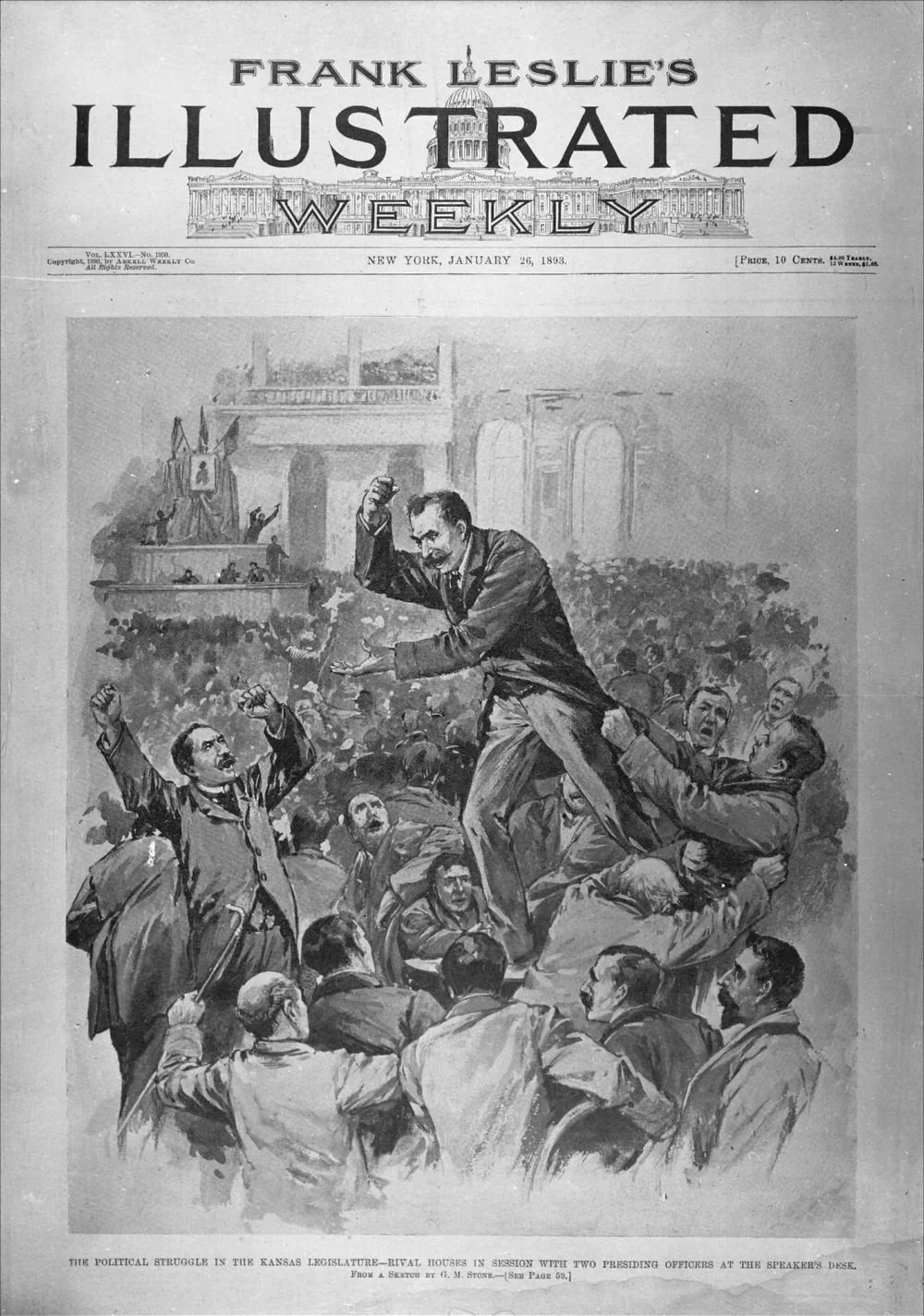
In January 1893, a disputed election in Kansas triggered one of the most unusual constitutional crises in American history. What came to be known, only half-jokingly, as the Legislative War began with competing claims to control the Kansas House of Representatives, escalating into a standoff between rival legislatures operating under the same roof - complete with locked doors, armed guards, and dueling assertions of democratic legitimacy.
Set against the backdrop of Gilded Age inequality and the rise of the Populist movement, the conflict reflected deep frustrations over who government was meant to serve, and who had the right to claim its authority.
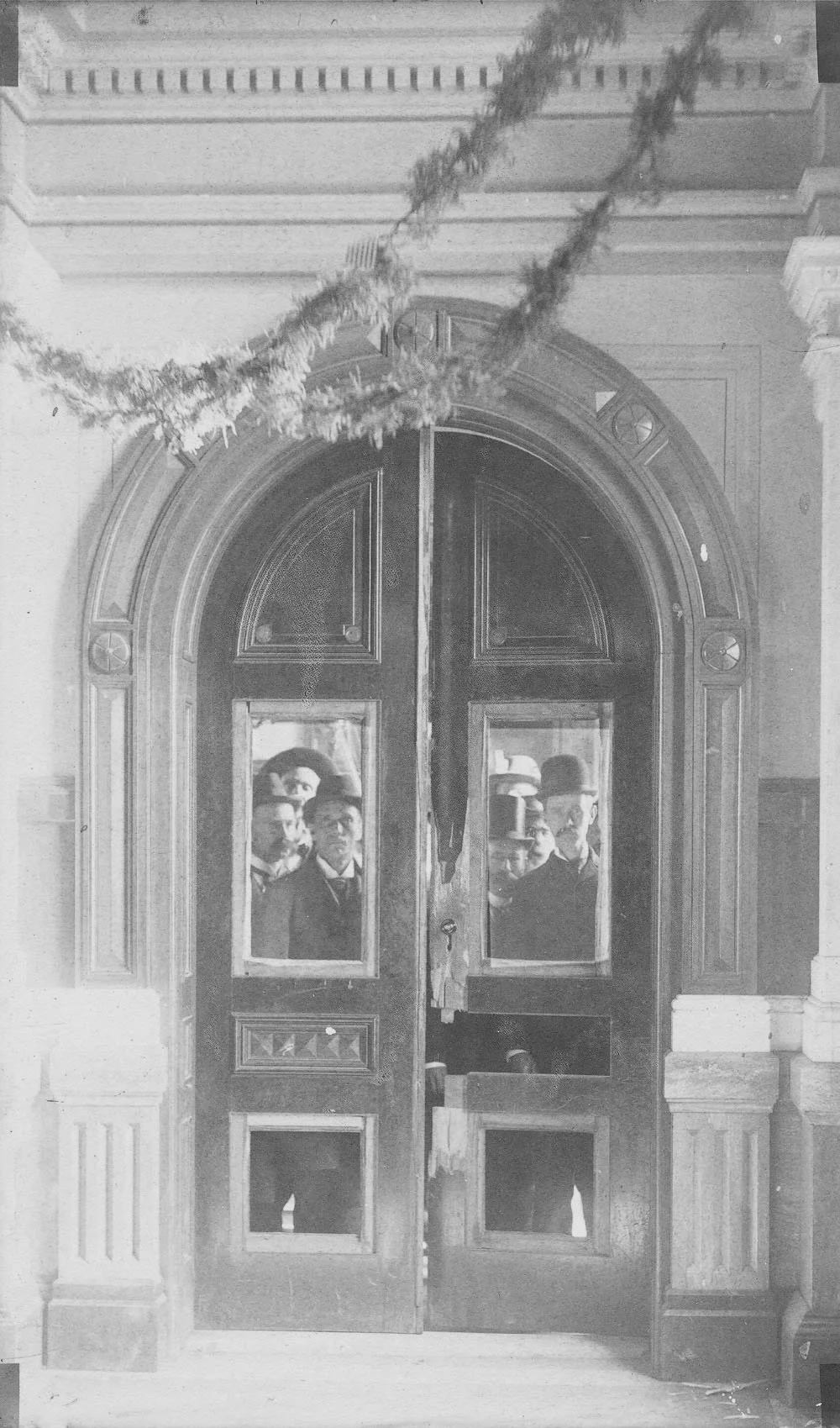
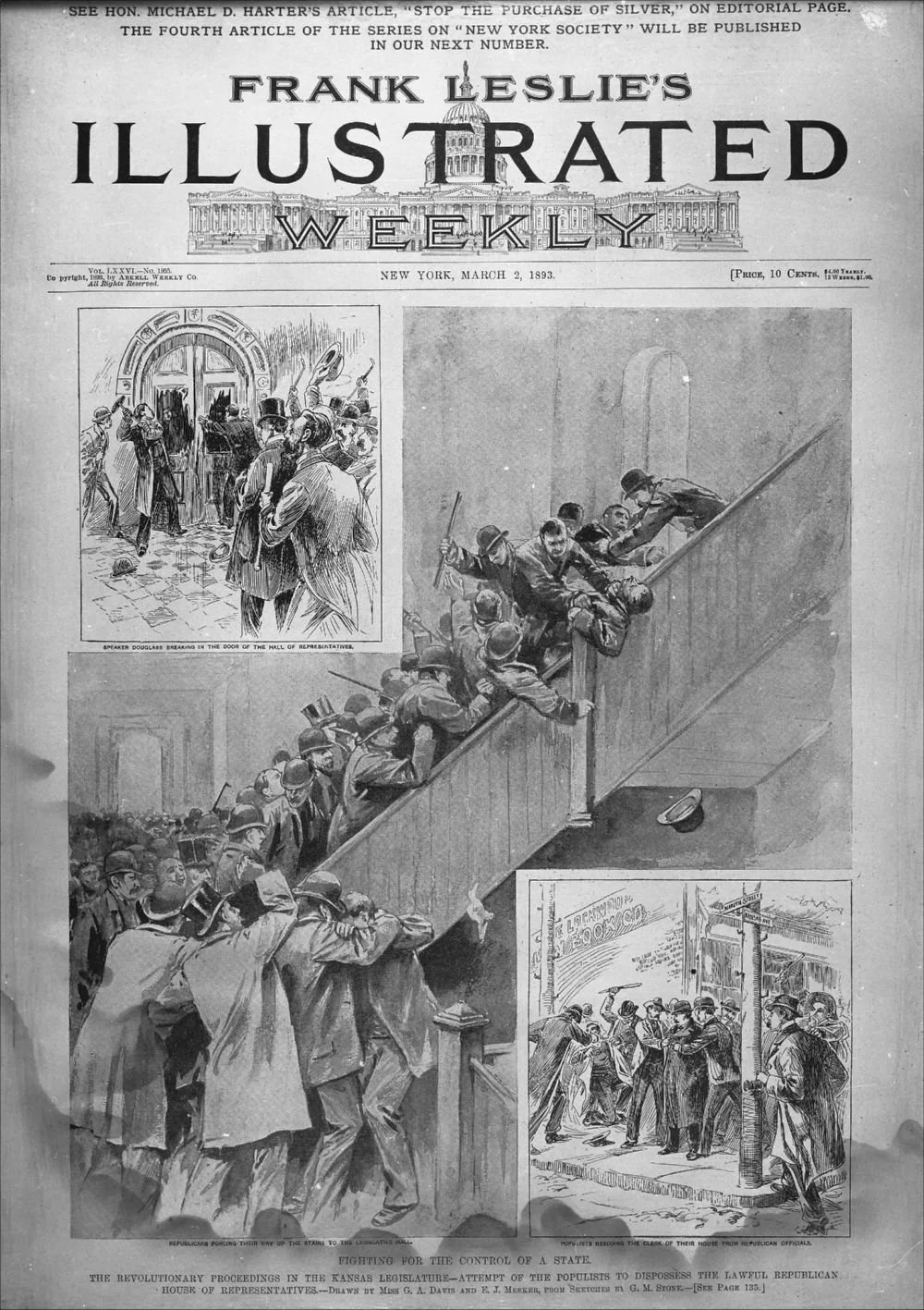
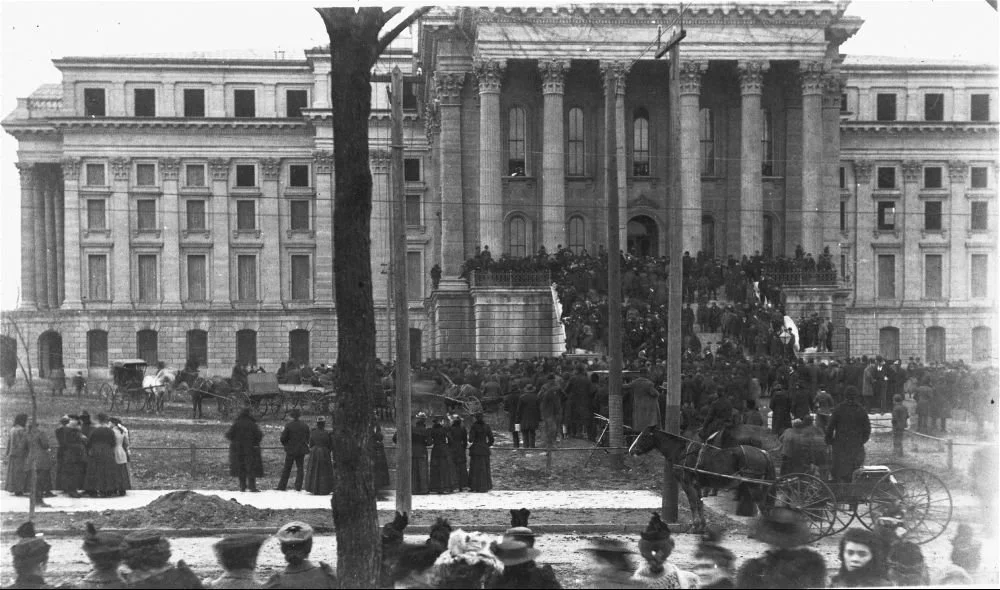
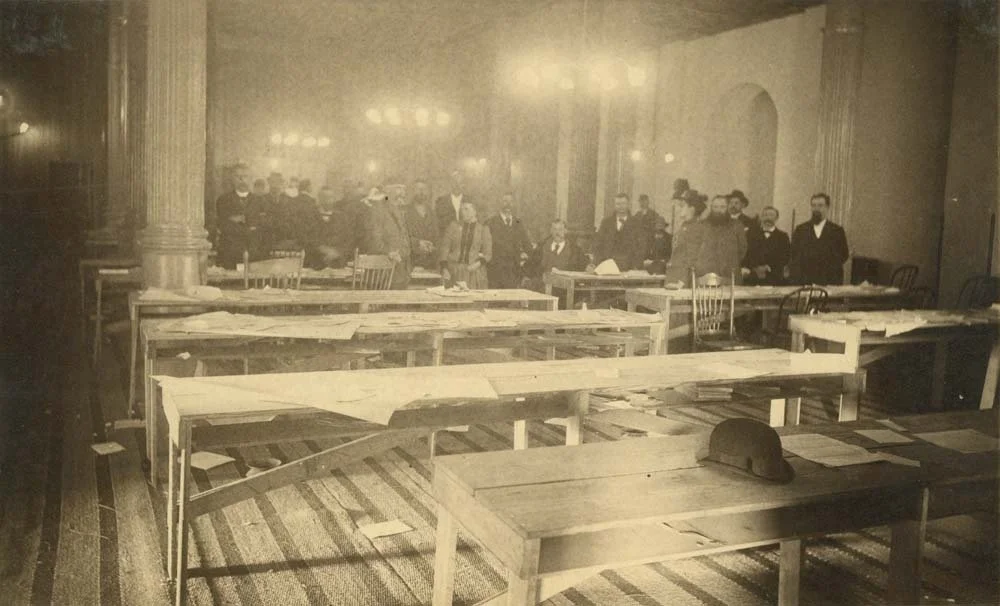
As tensions mounted, the crisis moved from procedural deadlock to physical confrontation. An attempted arrest inside the Statehouse led to scuffles. The chamber was barricaded. Doors were beaten down with sledgehammers. Armed men filled the Capitol. The governor called up the militia. But in a pivotal moment, both a militia commander and a county sheriff declined to intervene, unwilling to decide which side held legitimate authority. For several days in February 1893, Kansas stood on the edge of political violence, with crowds gathering and no clear authority recognized by all sides.
At its core, the Legislative War was a crisis over a foundational principle of American democracy: the consent of the governed. What happens when that consent is claimed by opposing sides, and the institutions meant to measure it fail? In 1893, Kansas came close to finding out. The system held - but only just.
Listen to the full episode:
Places to Visit
Museums and Historic Sites
Kansas Museum of History, Topeka, Kansas. Legislative War exhibit
Kansas State Capitol Visitor’s Center, Topeka, Kansas.
Episode Sources
Episode Interviewees
Adam Hodge, Head of Reference at the State Archives, Kansas Historical Society
Kristen Epps, Associate Professor of History, Kansas State University
Primary Sources
Executive Order No. 2, Governor Lorenzo Lewelling, Feb. 15, 1893
Executive Order No. 3, Governor Lorenzo Lewelling, Feb. 16, 1893
Statement of Sheriff John Wilkerson, The Topeka Daily Capital, Feb. 15, 1893, pg.1.
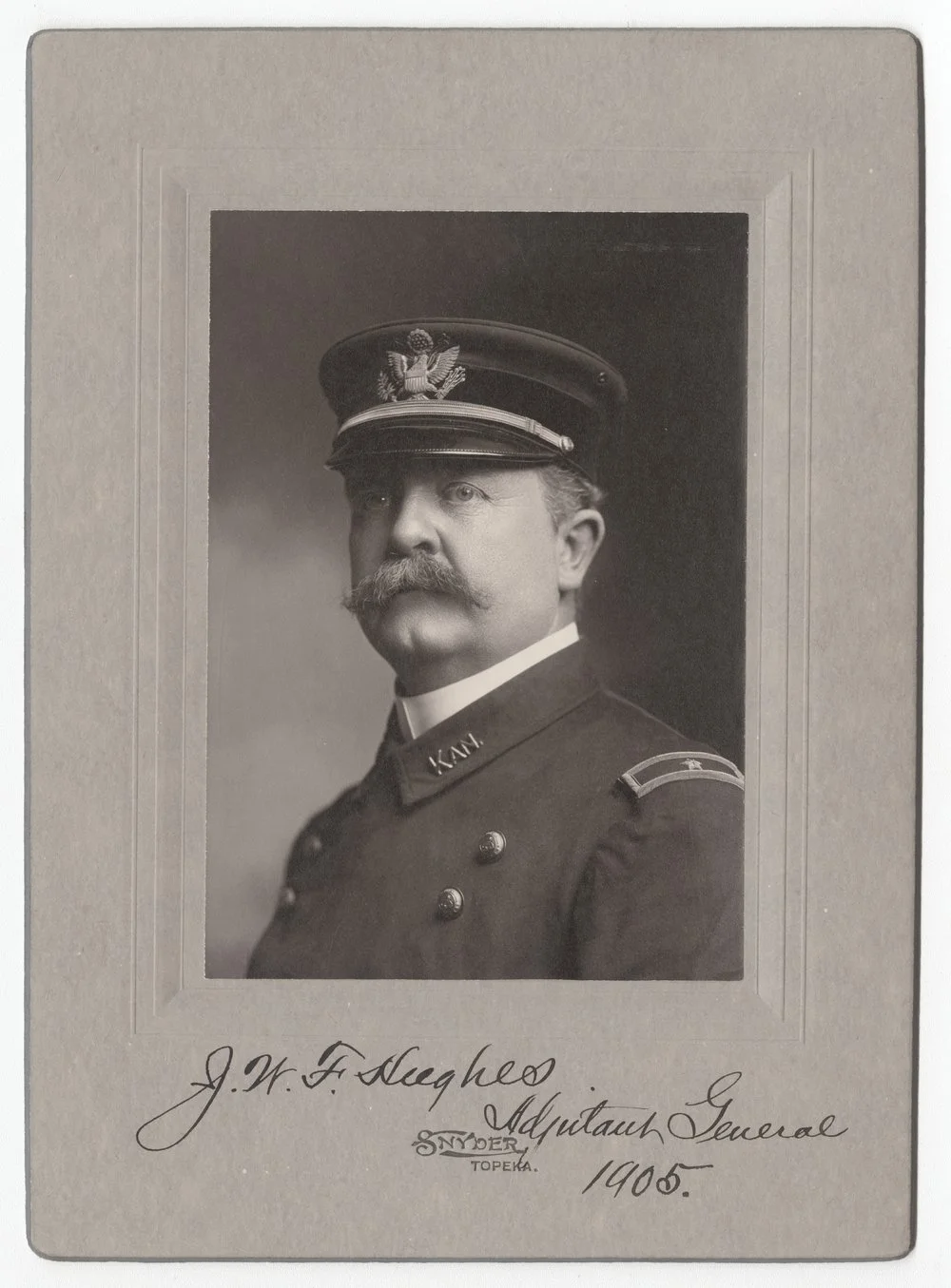
Statement of Col. JWF Hughes, 16th Biannual Report, Adjutant General of the State of Kansas Report, 1907-1908.
The Advocate and Topeka Tribune (A.k.a Farmers’ Advocate, Populist paper) - Nov. 8, 1892, pg.1; Jan. 11, 1893, pg.1,8; Jan. 18, 1893, pg.2; Feb. 22, 1893; March 1, 1893, pg.1, 8, 9.
The Topeka Daily Capital (Republican paper) - Feb. 15, 1893, pg.1; Feb. 16, 1893, pg.1; Feb. 17, 1893, pg.1; Feb. 18, 1893, pg.1
The Topeka State Journal (Republican paper) - Jan. 19, 1893, pg.1; Jan. 19, 1893, pg.1; Jan. 19, 1893, pg.1; Feb. 2, 1893, pg.1; Feb. 2, 1893, pg.1
The Emporia Gazette - Jan. 11, 1893, pg.1; Jan. 13, 1893, pg.1; Feb. 15, 1893, pg. 1; Feb. 15, 1893, pg. 1; Feb. 16, 1893, pg.1; Feb. 17, 1893, pg.1; Feb. 18, 1893, pg.1; Feb. 25, 1893, pg.1
The Atchison Daily Globe - Jan. 10, 1893, pg.1; Jan. 14, 1893, pg.3; Jan. 18, 1893, pg.1; Feb. 14, 1893, pg.1
The World (NY, NY) - Feb. 17, 1893, pg.1
Secondary Sources
O. Gene Clanton, Kansas Populism: Ideas and Men, University Press of Kansas, 2021.
Jeffrey Ostler, Prairie Populism: The Fate of Agrarian Radicalism in Kansas, Nebraska, and Iowa, 1880-1892, University Press of Kansas, 1993.
Scott G. McNall. The road to rebellion: class formation and Kansas populism, 1865-1900. University of Chicago Press, 1988.
Voice Over Credits
Col. JWF Hughes, Kansas National Guard - Mike Lenz
Governor Lorenzo Lewelling - John Coyle
Sheriff John Wilkerson, Shawnee County - Rob Reed
Newspaper reporters - Deborah Kosnett, Dan Kennedy, Melinda Christie