Ep. 3 Rolling for Redress: Kansas and the 1979 Tractorcade

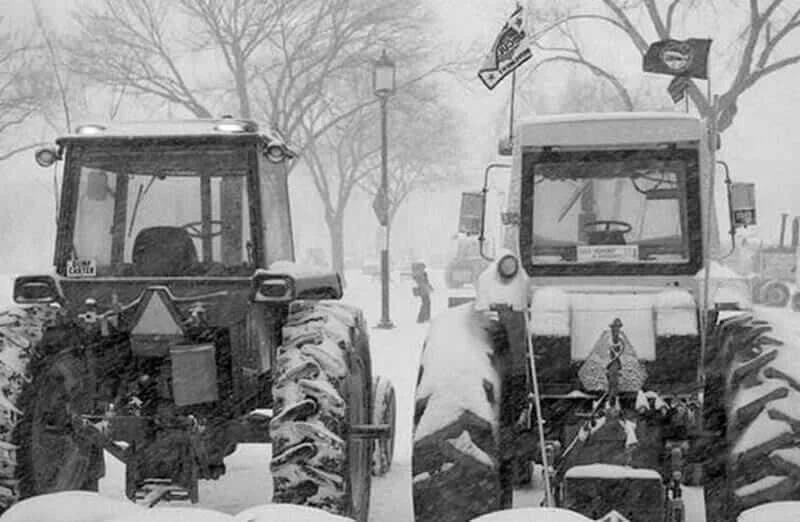
Edwards County resident Beverly was the only women to drive a tractor by herself the whole way to Washington, DC. Source: Kinsley Public Library
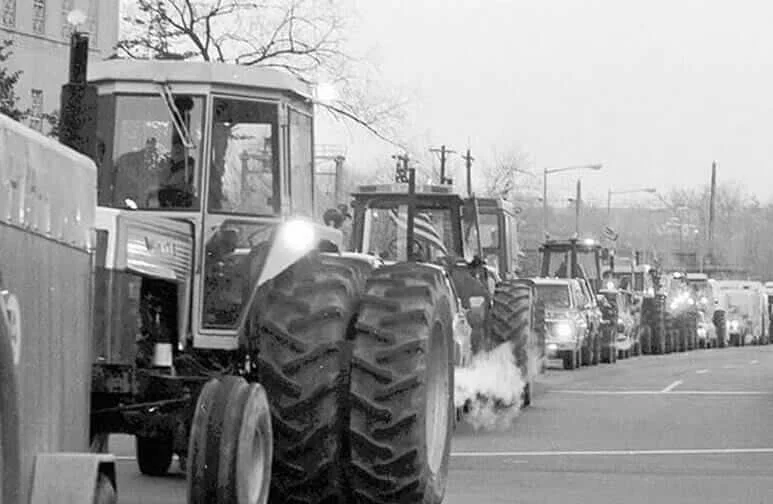
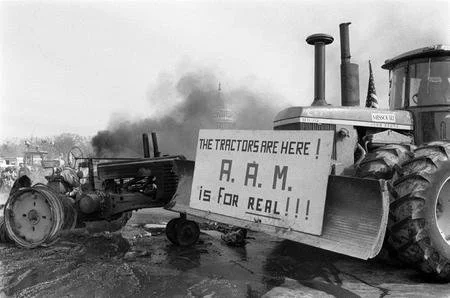
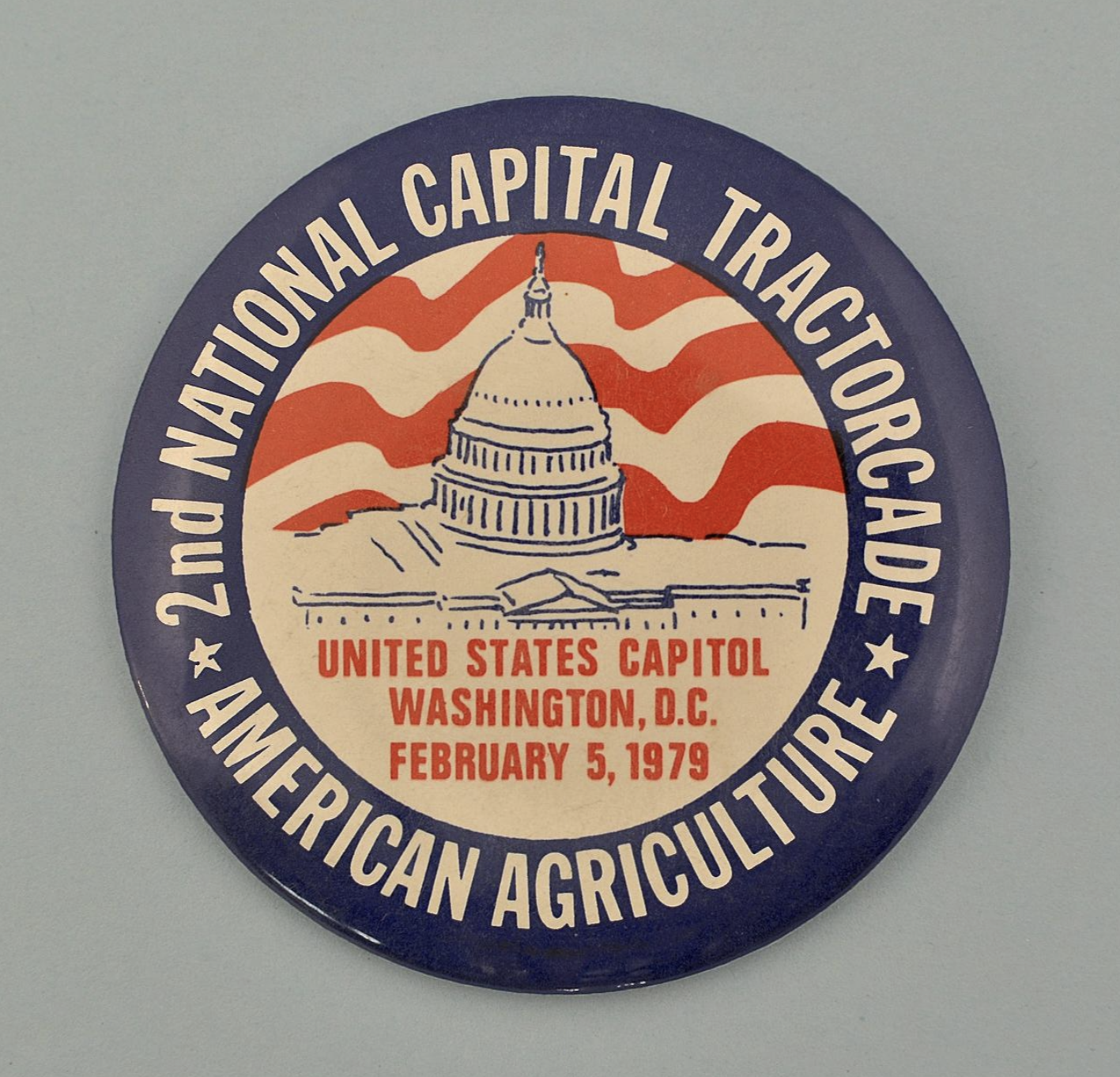
In February 1979, American farmers drove their tractors into Washington, D.C. - not as a spectacle, but as a demand. Facing falling crop prices, rising debt, and a growing wave of foreclosures, they brought the machinery of rural life to the center of political power, determined to be seen and heard.
Among them were Kansas farmers, including a group from Edwards County whose experiences were later preserved through oral histories at the Kinsley Public Library. They were not seasoned protestors or political insiders. They were farmers who believed that the system meant to represent them was no longer responding… and that something more than voting was required to make their voices count.
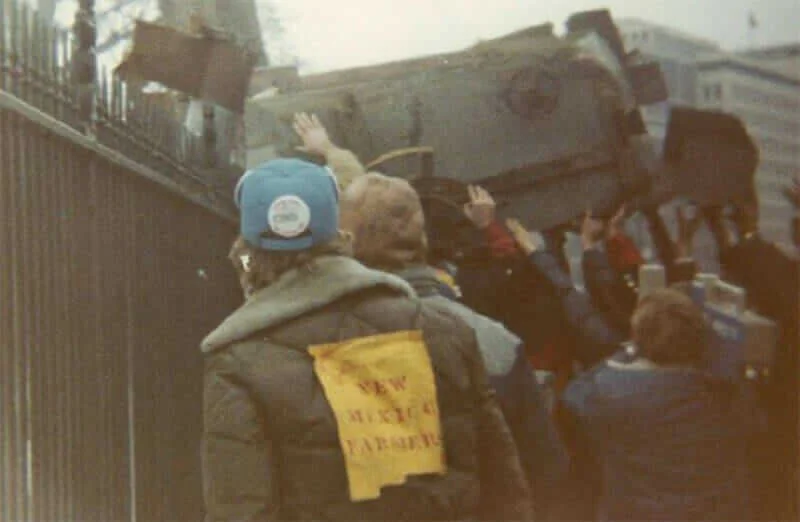
In this episode, we follow their journey from the plains to the nation’s capital: an 18-day winter caravan marked by mechanical breakdowns, snowstorms, and unexpected moments of community along the way. In Washington, their protest became something more complicated - at times confrontational, at times cooperative - as farmers clashed with authorities, navigated public opinion, and even helped the city they had come to challenge.
The Tractorcade raises a fundamental question at the heart of the Declaration of Independence: what does it mean for government to derive its power from the consent of the governed? And what happens when people believe that consent is no longer being heard?
Listen to the full episode:
Places to Visit
Museums & Historic Sites
Kinsley Public Library, Kinsley, Kansas. The Tractorcade to DC page on their website includes photographs, maps, exhibit panels, and video of all the participant interviews. The library also has a collection of Tractorcade physical materials and memorabilia collected from local participants.
Kansas Museum of History, Topeka, Kansas. Exhibit panel on Tractorcade and the American Agricultural Movement
Other Locations Connected to This Episode
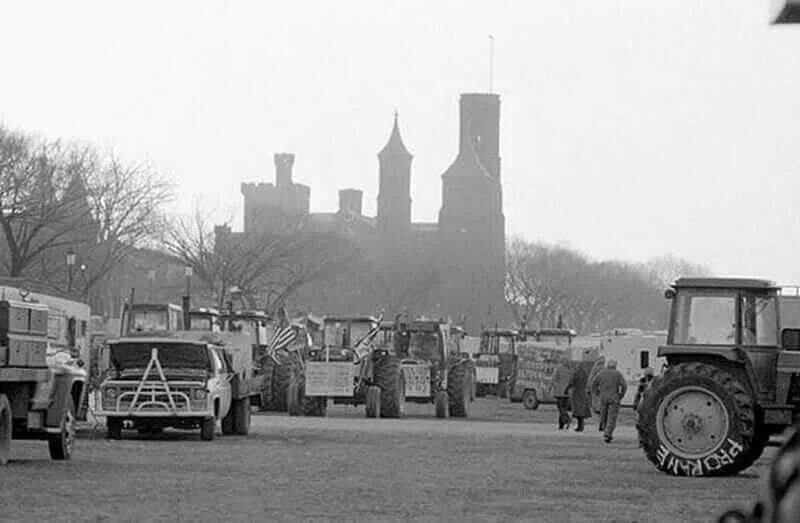
National Mall, Washington, DC. Next time you’re in our nation’s capital, imagine the National Mall filled with almost 2,000 tractors.
Episode Sources
Archival Audio
CBS News, Feb. 5, 1979.
ABC News, Feb, 6, 1979.
CBS News, Feb. 7, 1979.
CBS News, Feb. 23, 1979.
NBC News, March 1, 1979.
Episode Interviewees
Wayne Anderson - Associate Professor of Instruction in the Department of Rhetoric at the University of Iowa, and a historian who studies the farm crises of the 1970s and 1980s.
Joan Weaver - retired Director of the Kinsley Public Library
Edwards County Tractorcade participants: Beverly Anderson, Peggy Arensman, Lester Derley, Dolores Jones, Jeff Mead, Darrel Miller, Karen Miller, Edward Scheufler, Marjorie Scheufler, Mary Ellen Schinstock, Jerry Stapleton, Jean Titus, Alvin Wheaton, and Jack Wolfe.
Primary Sources
Kinsley Public Library, Kinsley, Kansas. The Tractorcade to DC page on their website includes photographs, maps, exhibit panels, and video of all the participant interviews. The library also has a collection of Tractorcade physical materials and memorabilia collected from local participants.
Smithsonian Institution Archives, Tractorcade photographs collection.
Secondary Sources
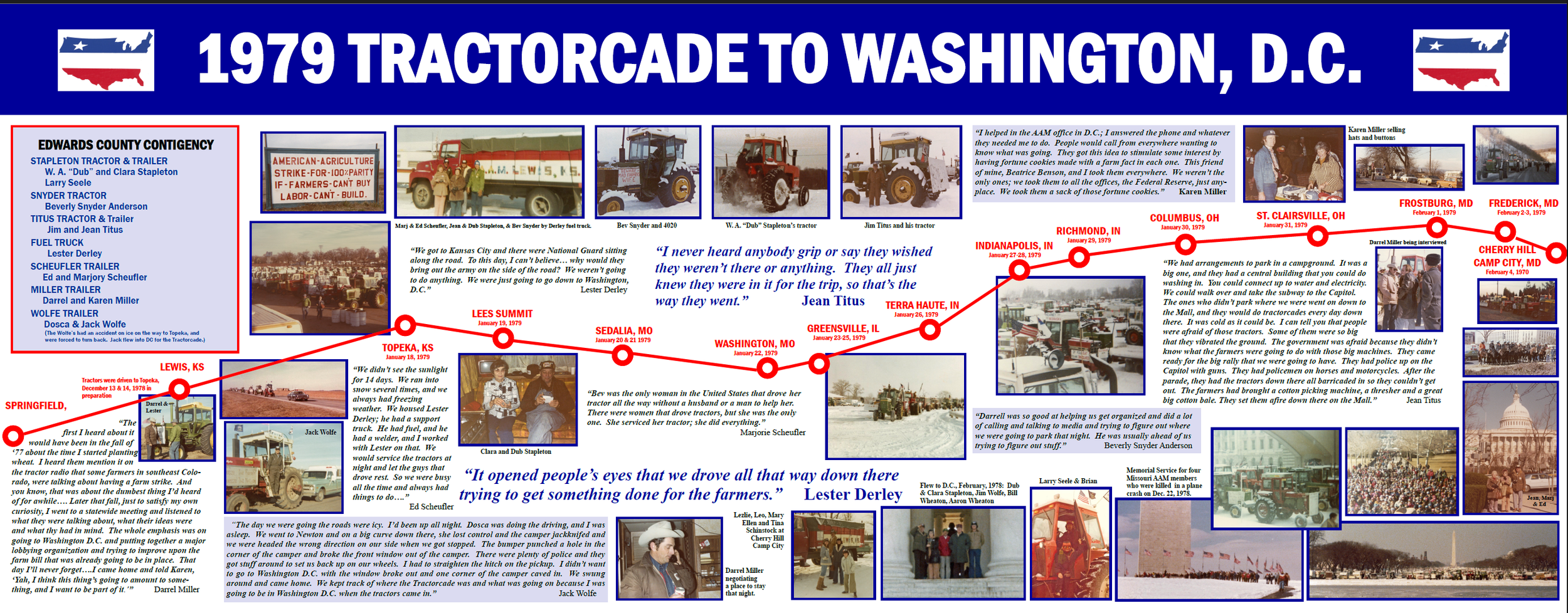
Source: Kinsley Public Library