Ep. 1 Before the Curtain Falls: Eisenhower’s Farewell Address
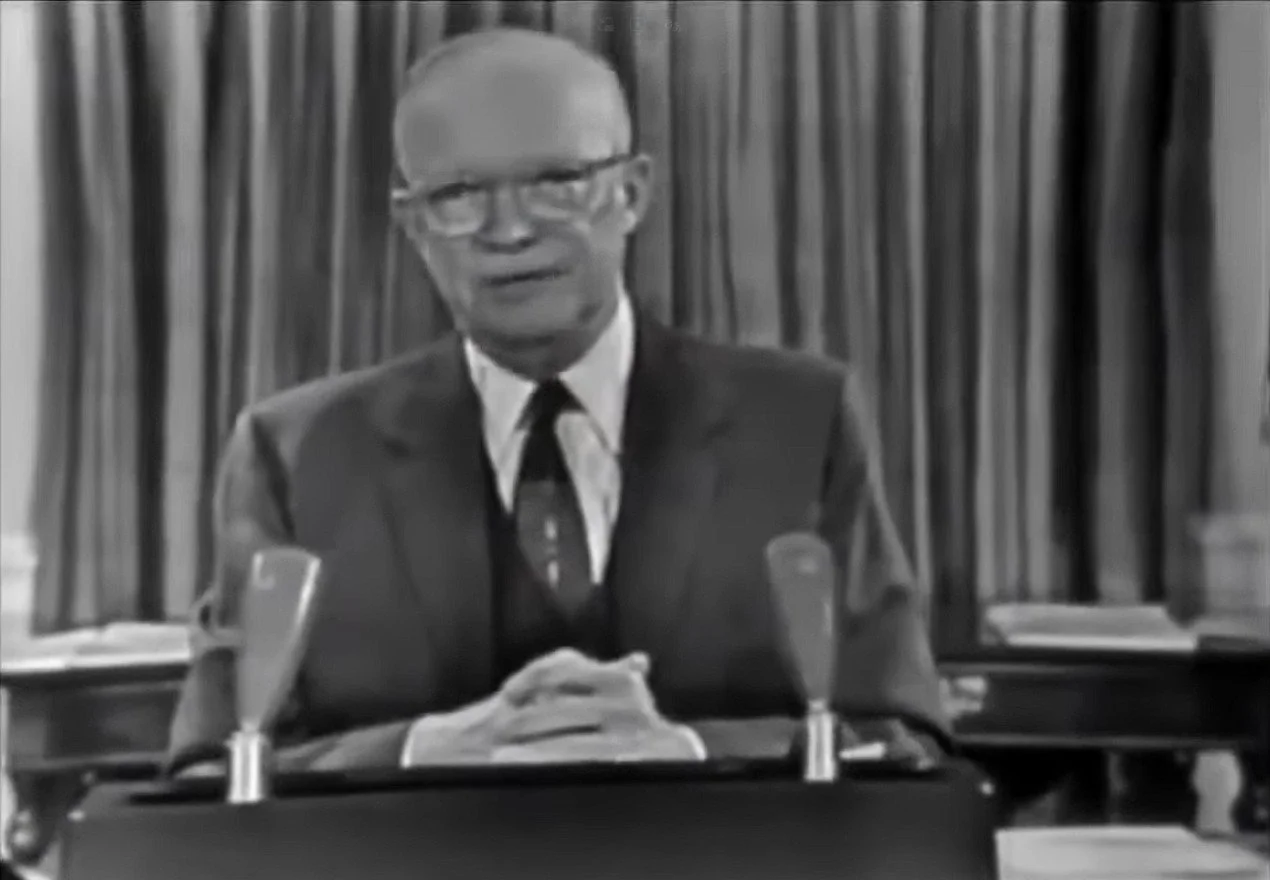
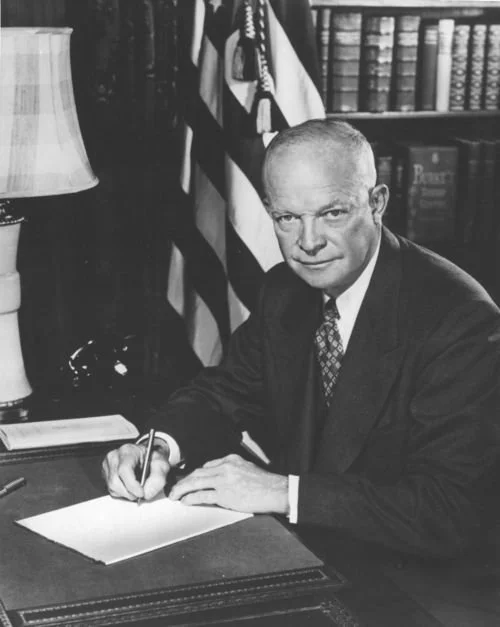
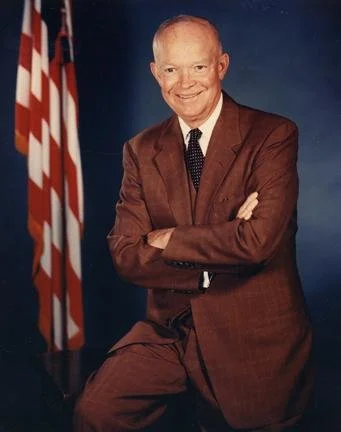
Beginning in 1959, Dwight D. Eisenhower and a small circle of advisers began shaping a speech that would become one of the most famous warnings in American political history. Delivered on January 17, 1961, his Farewell Address cautioned against the rise of a “military-industrial complex,” a phrase that has since become shorthand for the powerful relationship linking government, the military, and the defense industry. The address evolved over more than a year of drafting and revision, and Eisenhower personally oversaw the crafting of nearly every word.
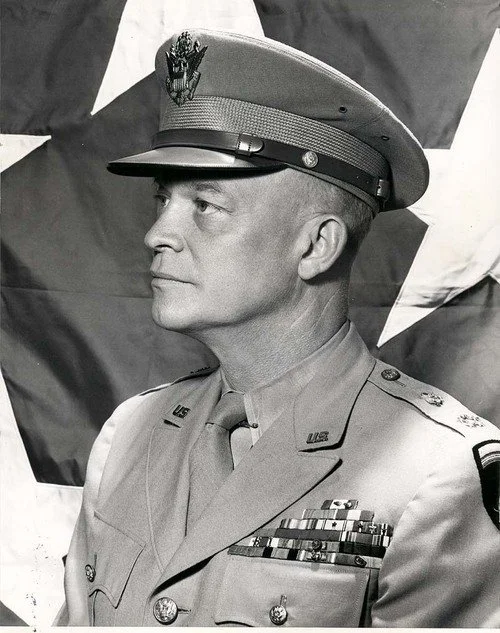
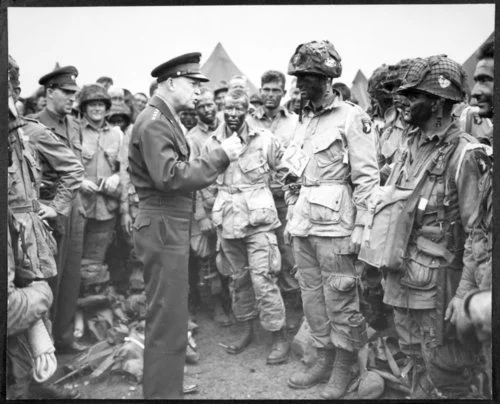
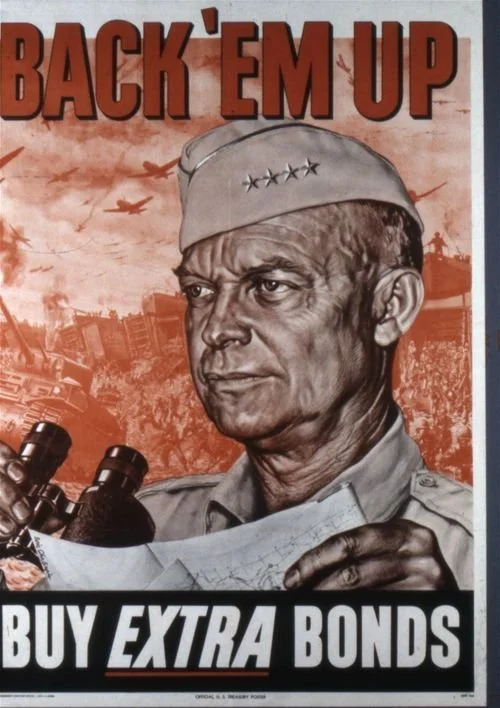
This episode explores how Eisenhower - the Supreme Allied Commander turned president - came to use his final message not to celebrate his achievements, but to reflect on the challenges facing American democracy in the Cold War. We examine how the speech grew from a policy summary into a broader civic meditation on the dangers posed by new concentrations of power in modern society, including the permanent defense industry and the expanding influence of science and technology.
Set against the backdrop of nuclear anxiety, the space race, and the ideological struggle with the Soviet Union, the episode also revisits what Eisenhower actually meant by the “military-industrial complex” - and why that warning is often misunderstood. Ultimately, Eisenhower’s farewell was not simply advice to a new president, but a reminder that the democratic ideals first articulated in 1776 depend on an alert and informed citizenry capable of safeguarding liberty and the consent of the governed.
Listen to the full episode:
Places to Visit
Museums & Historic Sites
Eisenhower Presidential Library, Museum, and Boyhood Home, Abilene, KS, https://www.eisenhowerlibrary.gov/
Eisenhower National Historic Site, Gettysburg, PA
Eisenhower’s weekend retreat and Cold War meeting site, https://www.nps.gov/eise/
Museum of the Surrender, Reims, France
The Supreme Headquarters of Allied Expeditionary Force in Europe that Eisenhower commanded, https://musees-reims.fr/reims-museums/article/museum-of-the-surrender
Episode Sources
Archival Audio/Video
U.S. Air Force Film Report 103, "Development of the Soviet Ballistic Missile Threat," 1960
Pathe News, Eisenhower Defends U-2 Spying, May 11, 1960 news conference
Episode Interviewees
William Hitchcock, James Madison Professor of History at the University of Virginia
Todd Arrington, Historian and Former Director of the Eisenhower Presidential Library
Mary Jean Eisenhower, granddaughter of Dwight D. Eisenhower
Primary Sources
Eisenhower Presidential Library, Farewell Address Sources, Large collection of primary sources related to the Farewell Address
George Washington’s Farewell Address, September 19, 1976
Secondary Sources
William Hitchcock, The Age of Eisenhower: America and the World in the 1950s, 2018.
Eisenhower Presidential Library, “Anniversary Commemoration and Discussion of Dwight D. Eisenhower's Farewell Address,” Jan. 18, 2011.
Part 1: https://youtu.be/mGIRdjCDBuM, Part 2: https://youtu.be/f4ZipJqrmdk