Ep. 6 Before Brown: The Argentine Four and an International Fight for Equal Schools
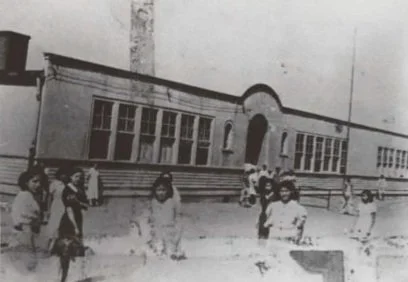
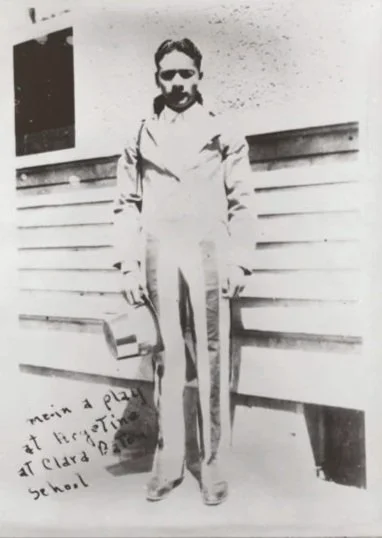
Clara Barton School, Argentine, Kansas, between 1910 and 1951. Source: Kansas Historical Society.
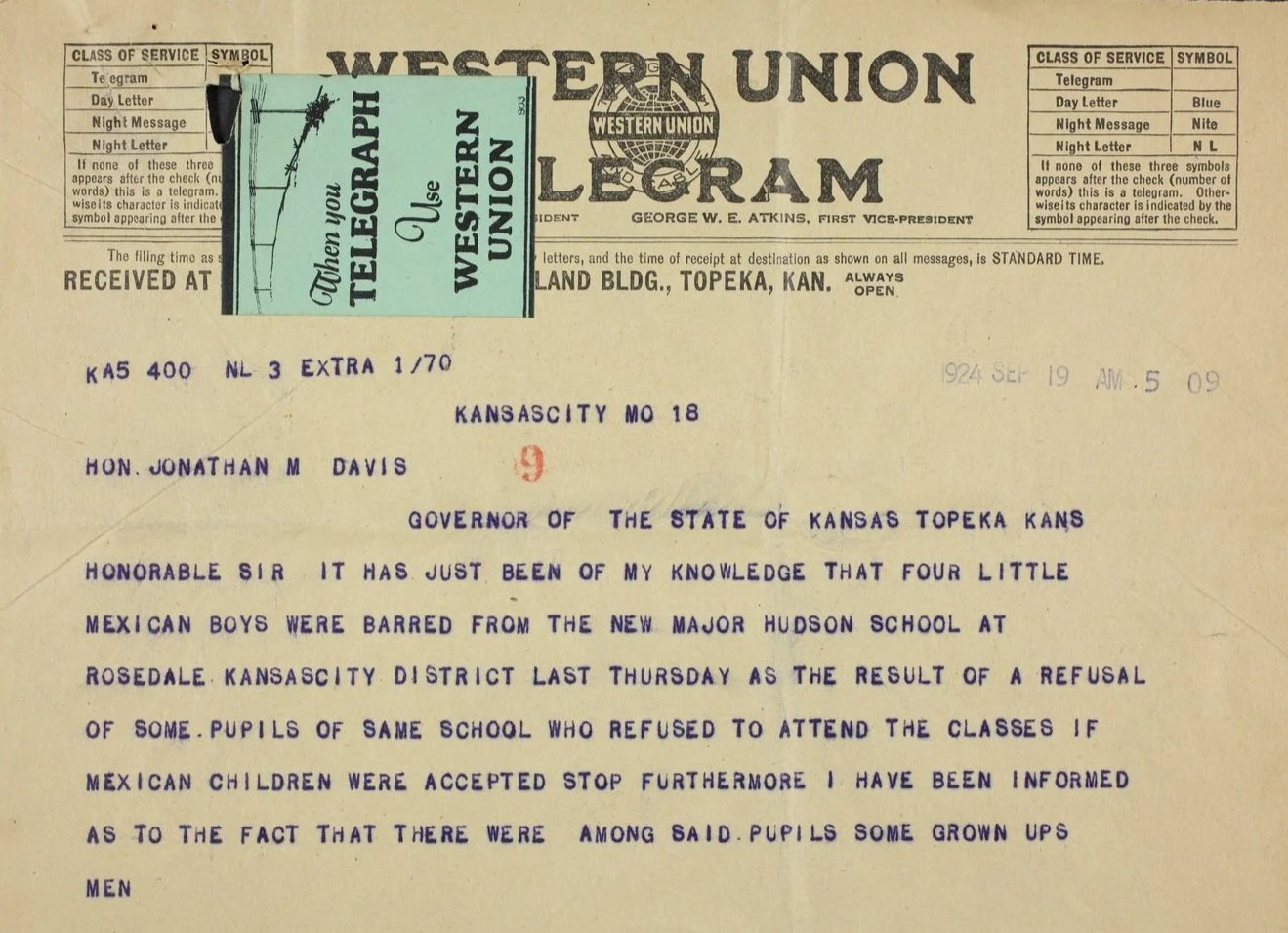
When most people think of Kansas and school desegregation, they think of Brown v. Board of Education of Topeka, the landmark 1954 Supreme Court case. But nearly thirty years earlier, a different fight played out in Kansas City's Argentine neighborhood, one that drew in the Mexican consulate, the Kansas governor, and the U.S. State Department.
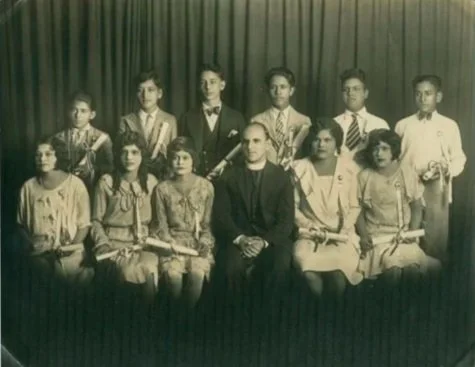
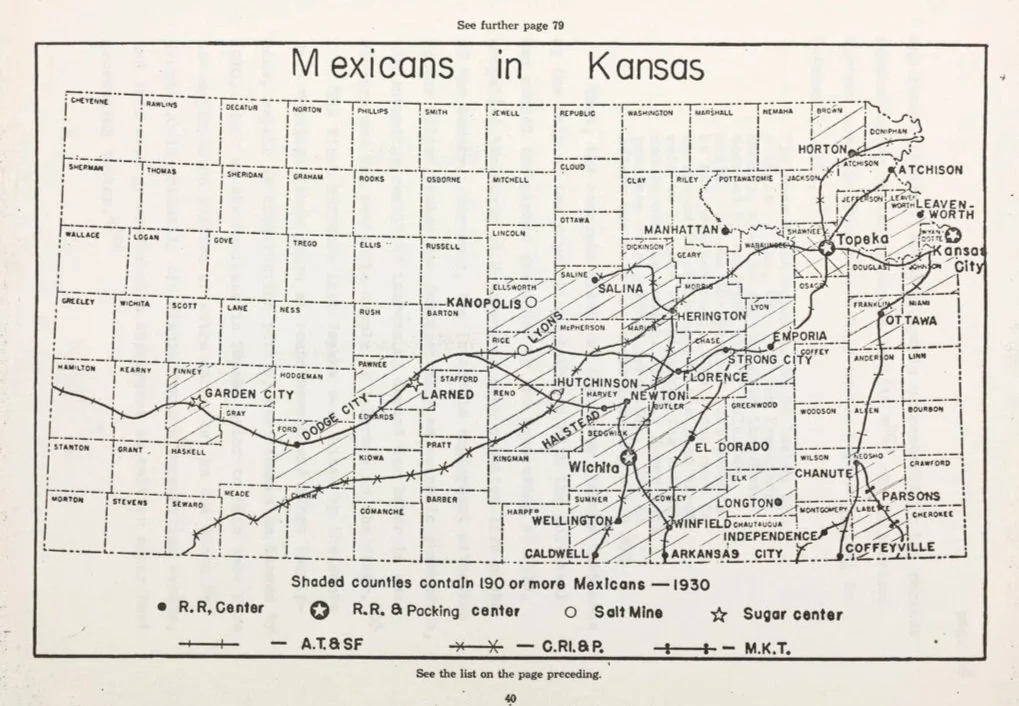
In the fall of 1925, four Mexican American students - Luz and Jesse Alvarado, Marcos De León, and Victorina Pérez - finished eighth grade and enrolled in their neighborhood's all-Anglo Argentine High School. White parents blockaded the building, and the school board offered only dead ends. Led by Saturnino Alvarado, a shoemaker who refused to let his children's education end at the eighth grade, the families pulled their children out in protest and came back with an unusual argument. Rather than the Fourteenth Amendment that would later anchor Brown, they claimed equality through a treaty between the U.S. and Mexico. The pressure worked, and the four were admitted to Argentine High. But theirs was one battle in a wider system of discrimination where Mexican American children across Kansas were shunted into separate rooms and inferior buildings for decades.
The Declaration promised that all men are created equal. This episode tells how the Argentine Four claimed that promise for children the law couldn't categorize - and, in doing so, helped write a longer, more complicated history of school desegregation, one that was never only Black and white.
Listen to the full episode:
Places to Visit
Museums and Historic Sites
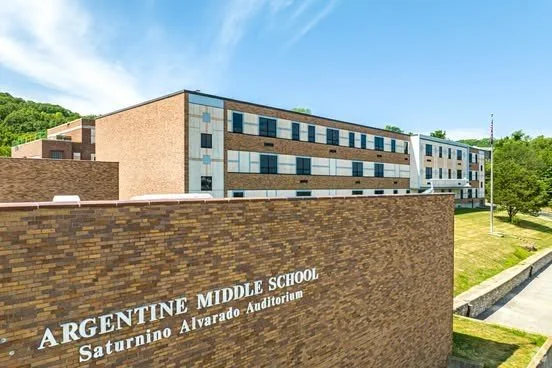
Saturnino Alvarado Auditorium, Argentine Middle School, Kansas City, Kansas.
Metropolitan Ave. mural in Kansas City, Kansas.
Kansas Museum of History, exhibit section on school desegregation in Kansas.
Brown v. Board of Education National Historical Park, Topeka, Kansas.
Episode Sources
Episode Interviewees
Gene Chavez - Historian in residence at the Kansas City Museum and community historian; Humanities Kansas Speakers’ Bureau
Valerie Mendoza - Independent public historian; Humanities Kansas Speakers’ Bureau
Gary Enrique Bradley Lopez - Playwright of “A Father’s Poder” and school teacher
Primary Sources
Brown v. Board of Education of Topeka, 347 U.S. 483. U.S. Supreme Court, decided May 17, 1954.
Kansas City Kansan, November 2, 1925. Statement of Wyandotte County Attorney Harry Hayward.
U.S. Department of State. Statement of October 30, 1925.
Bradley Lopez, Gary Enrique. A Father’s Poder. Stage play inspired by Saturnino Alvarado.
Secondary Sources
Voice Over Credits
Rodolfo Fernande as the Mexican Consul
Harrison Barsness as State Superintendent of Public Instruction J. W. Miley
Elizabeth Saydah as US State Dept official
Patrick Lagreid as Wyandotte County Attorney Harry Hayward
David Sylvester reading excerpts from the Brown V Board of Education decision and the Treaty of Guadeloupe Hidalgo