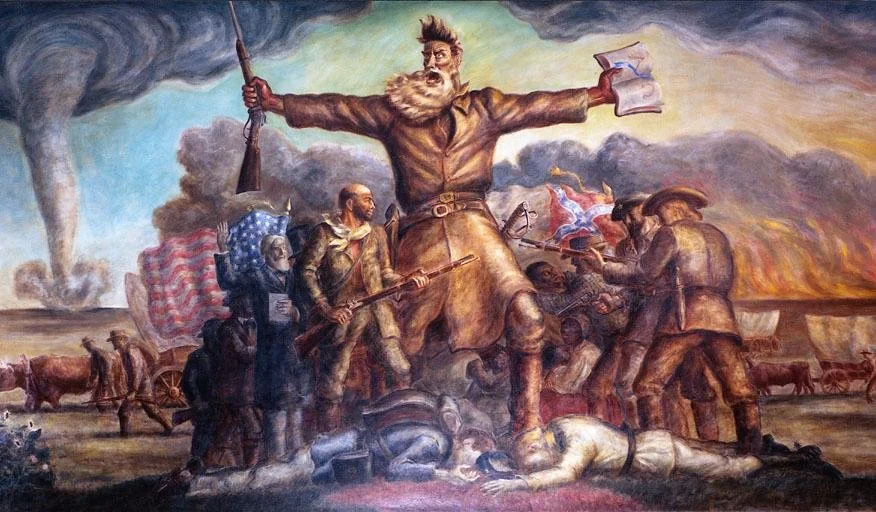
Ep. 5 Twelve to Freedom: The Winter Escape with John Brown
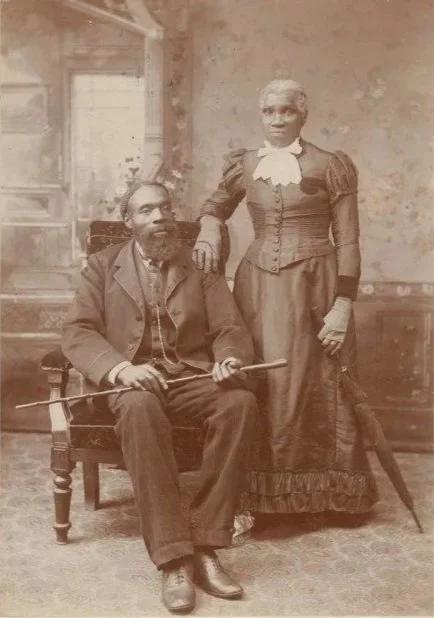
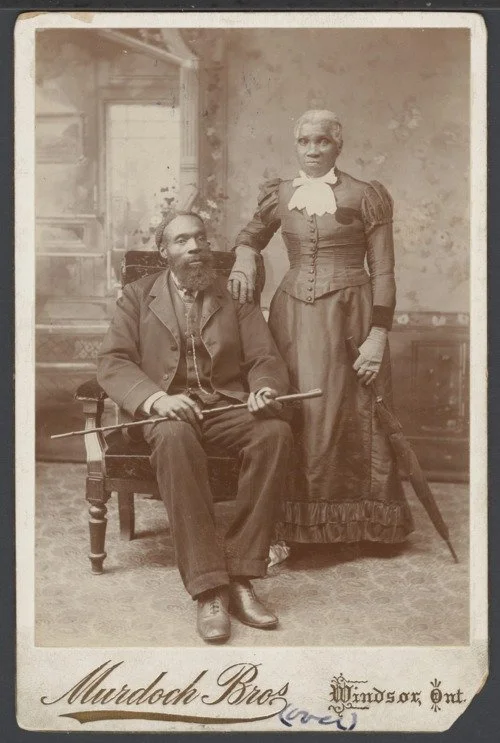
Sam and Jane Harper, Dec. 1894. Source: Kansas Memory
In the winter of 1858–59, eleven people enslaved on Missouri farms made a dangerous choice. Facing the threat of sale, separation, and continued bondage, Jim Daniels crossed into Kansas and sought help from John Brown and his abolitionist allies. Soon, the Daniels family, the Harper family, Samuel Hamilton, and Jane Barton were traveling through Kansas in search of freedom.
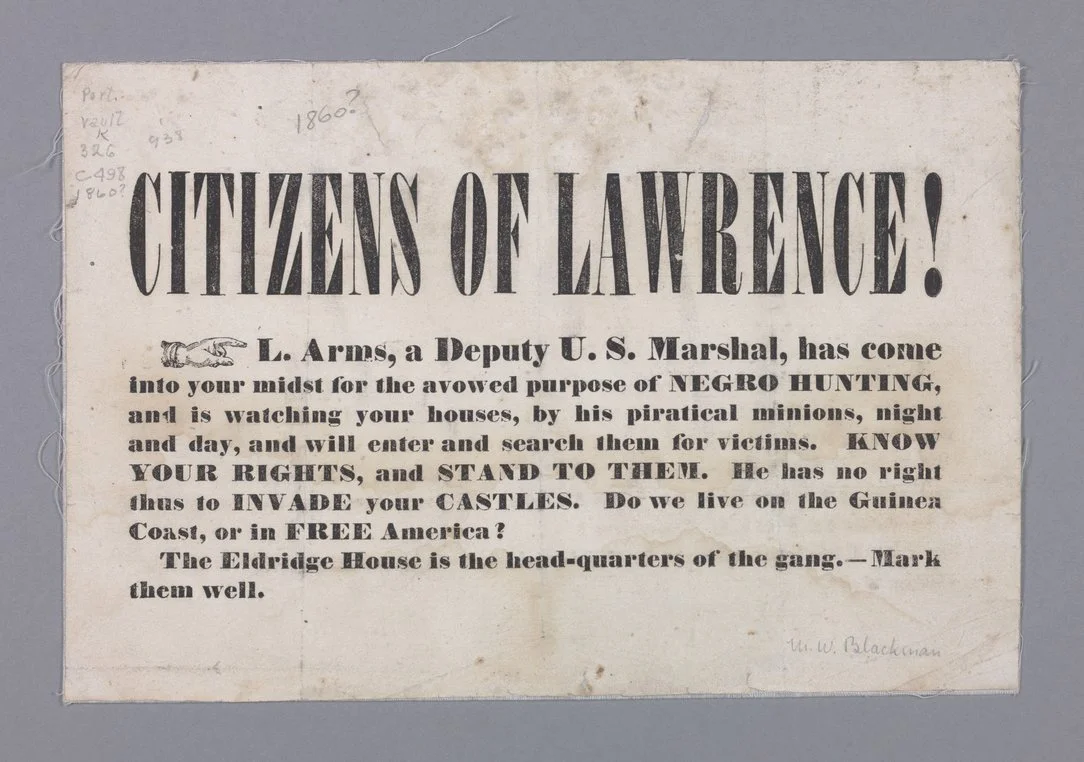
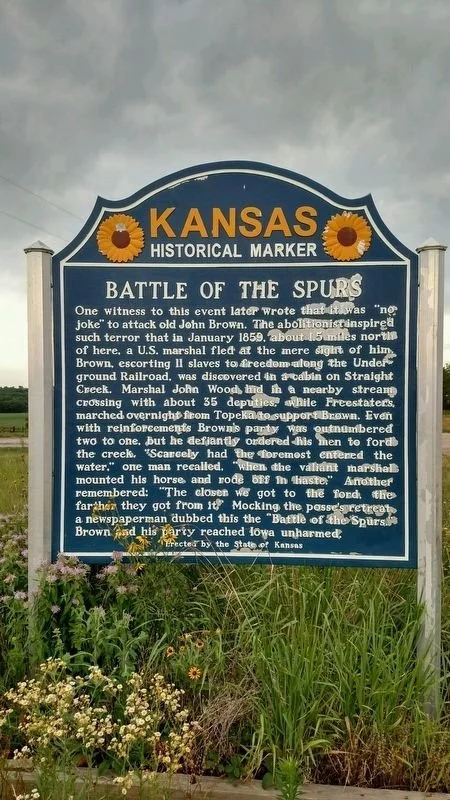
Their eighty-two-day journey took them from Missouri into Kansas, where they sheltered with abolitionist families, hid at Grover Barn in Lawrence, and traveled the Lane Trail through Topeka and Holton. Along the way, they faced bounty hunters, federal pursuit, and the confrontation remembered as the Battle of the Spurs. During the journey, Narcissa Daniels gave birth, and the eleven became twelve.
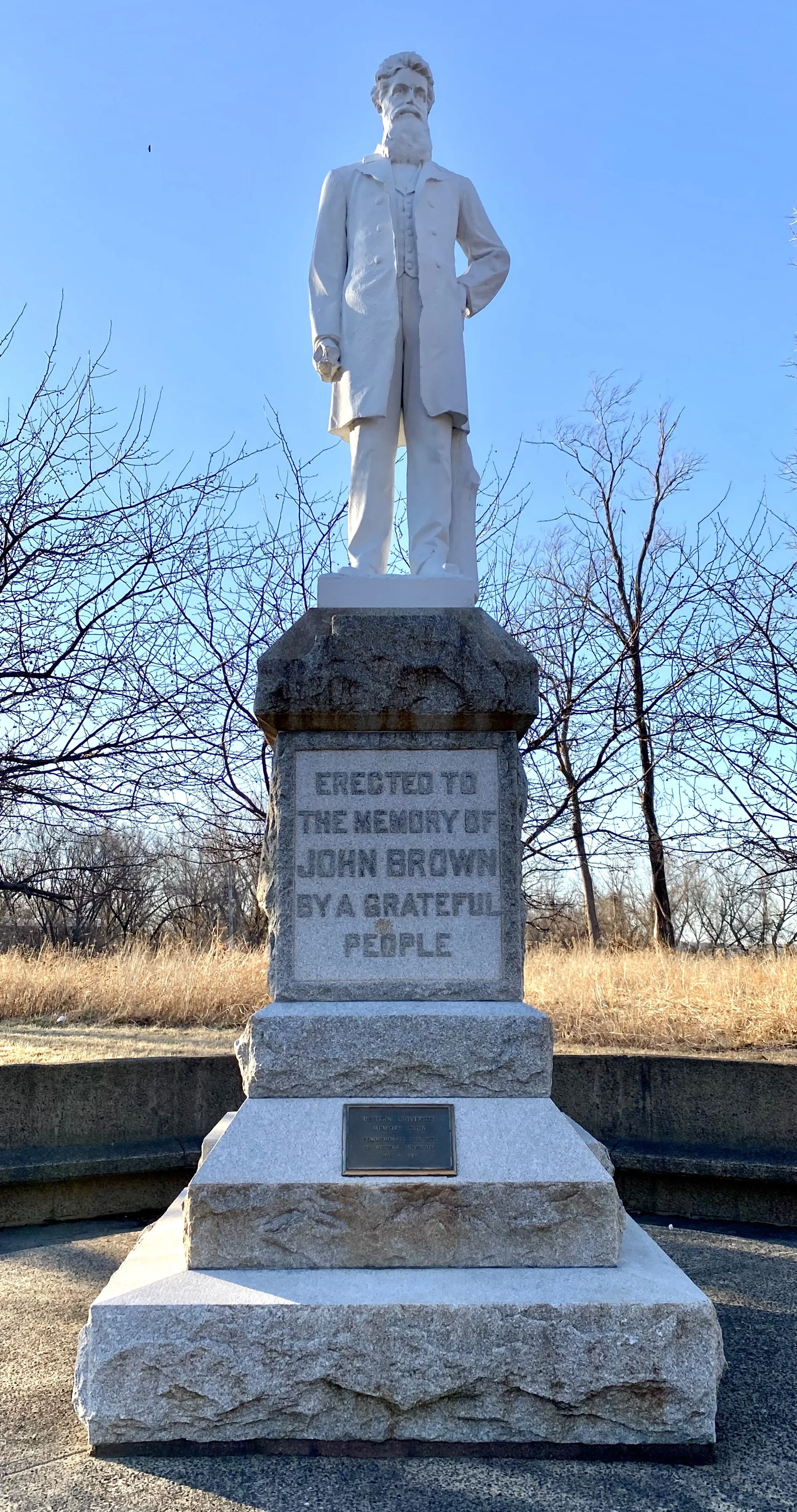
John Brown helped guide the group to Detroit, where they crossed into Windsor, Canada. But the heart of this episode is the freedom seekers’ journey: their decisions, their courage, their families, and the lives they built after slavery. Drawing on the words of Sam and Jane Harper, the writings and recollections of John Brown and his abolitionist allies, historians’ insights, and the reflections of a descendant, this episode asks what the Declaration’s promises of equality, liberty, and consent meant to people the law treated as property - and what it meant for them to claim those promises for themselves.
Listen to the full episode:
Places to Visit
Museums and Historic Sites
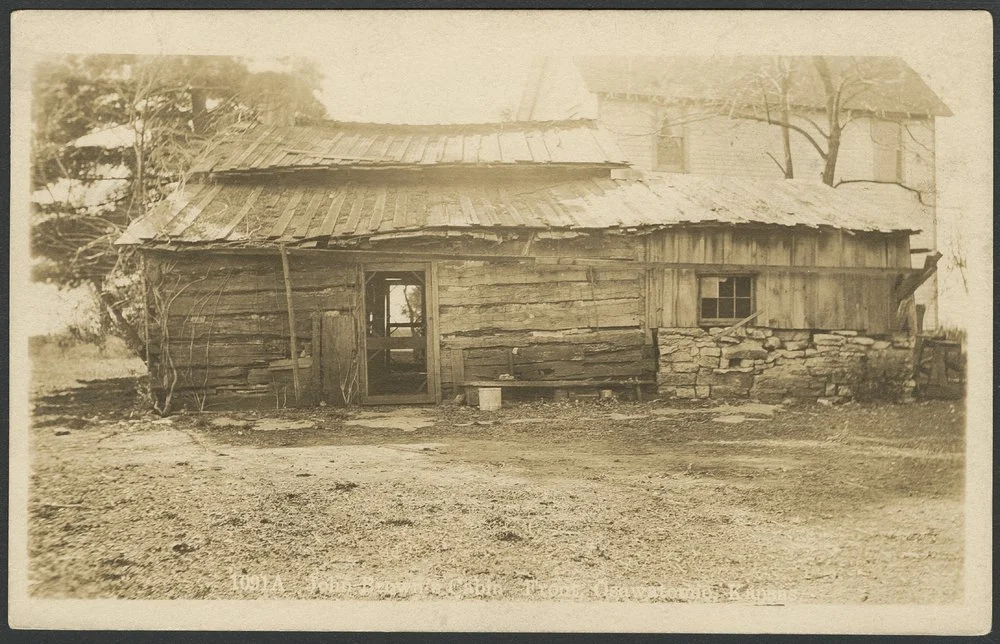
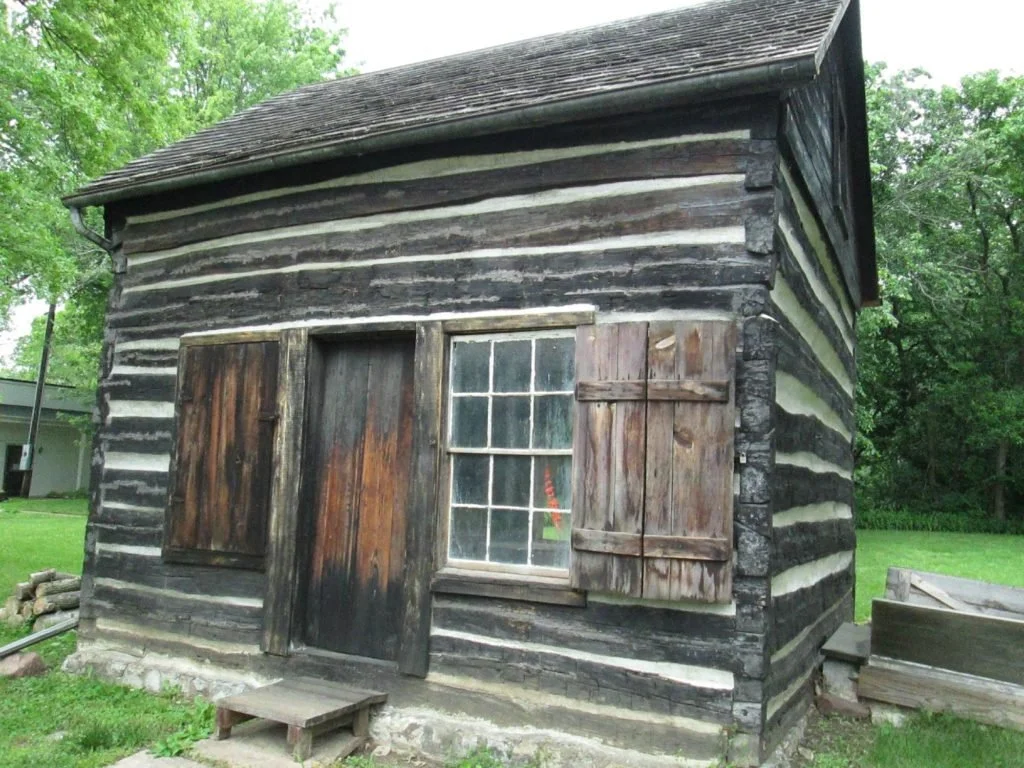
John Brown Museum State Historic Site, Osawatomie, Kansas. The site includes the Adair Cabin, an Underground Railroad site, and the home of Brown's half-sister Florella, where the freedom seekers sheltered on Christmas Eve, 1858. The museum also includes objects connected to John Brown and tells the story of the Battle of Osawatomie
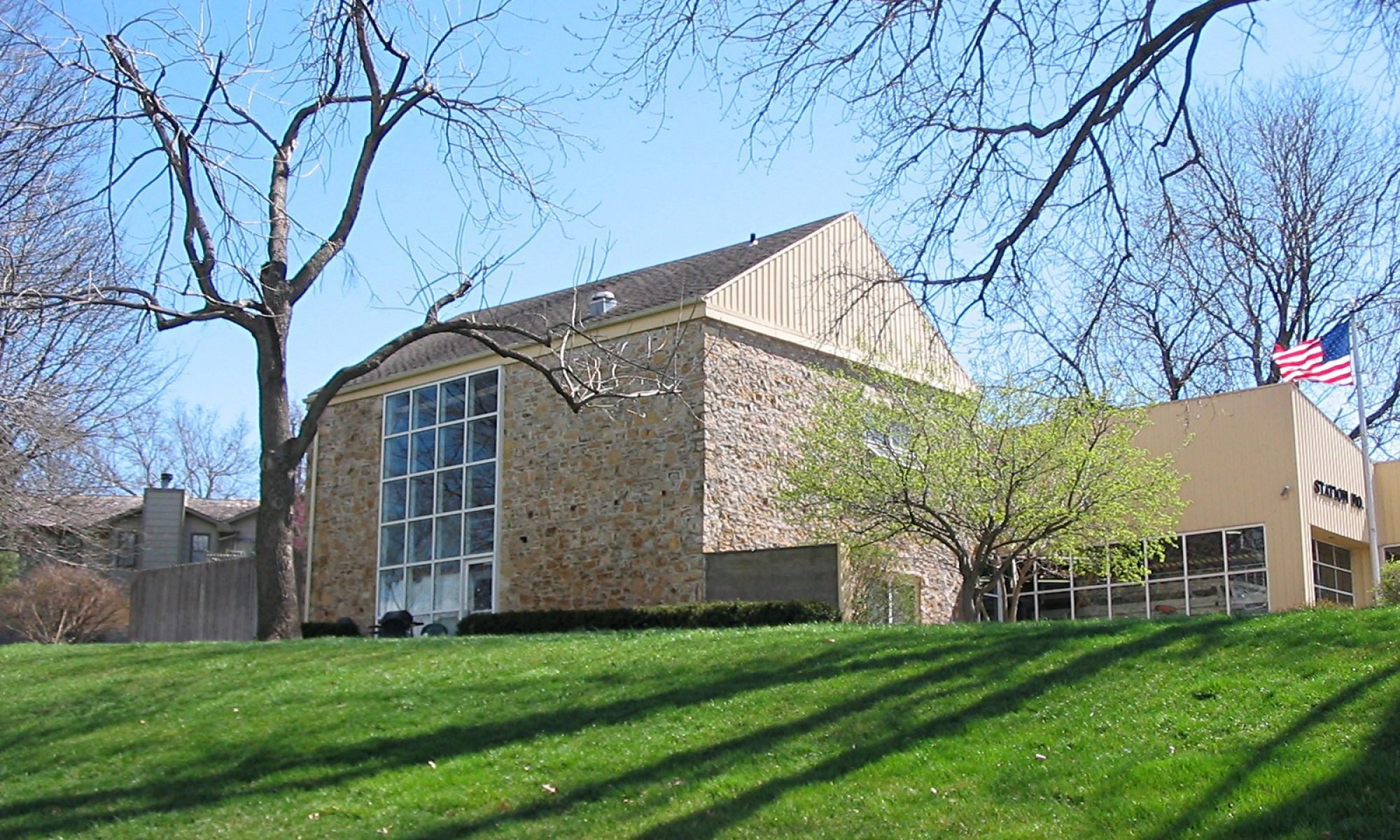
Grover Barn, Lawrence, Kansas. The barn of the abolitionists Grovers, where the Twelve were sheltered just outside of Lawrence (now inside the city limits). The Guardians of Grover Barn are working to preserve it as a public historic site.
Watkins Museum of History, Lawrence, Kansas. The museum has exhibits and collections on the Underground Railroad in Douglas County.
Constitution Hall, Topeka. This building served as the southern terminus of the Lane Trail, the route the Twelve and many other freedom seekers took north out of Kansas. The site and the group connected to it were central to Underground Railroad activities in Kansas.
Battle of the Spurs Historical Marker. About seven miles north of Holton, on US Highway 75.
Mayhew Cabin, Nebraska City, Nebraska. An Underground Railroad site where the Twelve sheltered with John Kagi's relatives, Allen and Barbara Mayhew, on their journey. The Museum tells the
Freedom’s Frontier National Heritage Area. A network of sites inside a congressionally designated region of 41 counties in Eastern Kansas and Western Missouri. These sites tell stories about struggles for freedom in American history, including the Underground Railroad, the Civil War, and desegregation.
National Underground Railroad Network to Freedom, National Park Service. Information and maps on Underground Railroad sites all over the country, including Kansas.
Episode Sources
Episode Interviewees
Kerry Altenbernd, Board Member of the Guardians of Grover Barn. Kerry has been performing first-person interpretations of John Brown since 2006.
Kristen Epps, Associate Professor of History, Kansas State University
Darryl Hogan, Descendant of freedom seekers Sam and Jane Harper, and President of the Board of Directors of Mayhew Cabin.
Brad Mayhew, Descendant of abolitionists Allan and Barbara Mayhew and John Kagi.
Judith Sweets, Independent historian and a retired archivist formerly of the Watkins Museum and the Dole Institute of Politics. Sweets has spent decades researching the Underground Railroad in Lawrence and Douglas County. Her research uncovered the names of eleven of the freedom seekers on this journey, discovered the oral history interviews with Sam and Jane Harper, and located the Harper’s descendant, Darryl Hogan.
Primary Sources
“Samuel Harper’s Story,” in James Cleland Hamilton, “John Brown in Canada,” The Canadian Magazine of Politics, Science, Art, and Literature, Vol IV, November 1894 to April 1895, pg. 119-140. [Note: Samuel Harper’s interview is a vernacular language transcription. We made the editorial choice to use standard English for the episode's voice-over to improve audience comprehension.]
John Brown, A Declaration of Liberty by the Representatives of the Slave Population of the United States of America, July 4, 1859. Original located in: The Historical Society of Pennsylvania, Philadelphia, PA. Historical Society of Pennsylvania Miscellaneous Collection (Collection 425).
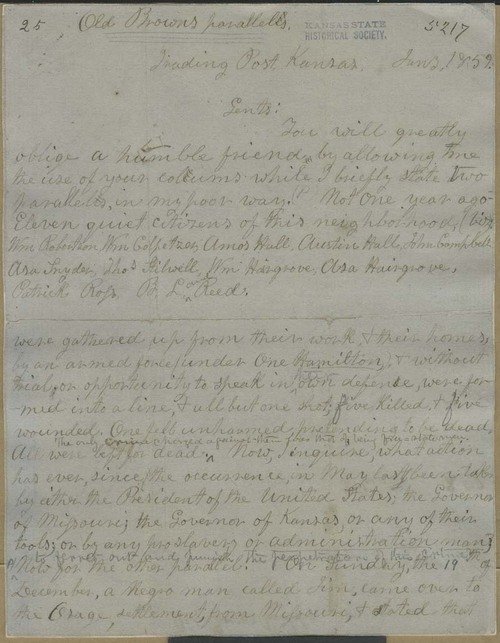
John Brown, “Old Brown’s Parallels,” New York Tribune, January 13, 1859.
“Brown’s Rescued Negroes Landed in Canada,” Anti-Slavery Bugle, March 26, 1859.
Secondary Sources
W.E.B. Du Bois, John Brown. Philadelphia: George W. Jacobs & Company, 1909. [Modern reprint: Armonk, NY: M. E. Sharpe, 1997.]
James C. Malin, John Brown and the Legend of Fifty-Six. 2 vols. Philadelphia: American Philosophical Society, 1942.
Stephen B. Oates, To Purge This Land with Blood: A Biography of John Brown. Amherst: University of Massachusetts Press, 1984.
David S. Reynolds, John Brown, Abolitionist: The Man Who Killed Slavery, Sparked the Civil War, and Seeded Civil Rights. United States, Knopf Doubleday Publishing Group, 2006.
Voice Over Credits
Jonathan Andrews as Sam Harper
Beryl New as Jane Harper
Kerry Altenbernd as John Brown